
The modern static recompilation movement has claimed another monumental milestone—and an unexpected changing of the guard. On October 7, 2026, developer KuroRaiden officially archived the open-source repository for SoulCalibur-HD-Recomp-files. While active solo development has ceased, the project departs in a breathtaking state: full PowerPC binary translation, 7,018 reverse-engineered symbols, and playable offline battles running natively on PC hardware.
Originally released in 2008 as an Xbox Live Arcade port of Namco’s legendary 1999 Dreamcast masterpiece, SoulCalibur HD was built to celebrate the pinnacle of weapon-based 3D combat. Now, through the power of ReXGlue v0.9.0.1-dev—the modern Xbox 360 static recompiler toolkit derived from the Xenia lineage—the title boots directly on Windows, bypasses Microsoft's cryptographic profile gates, and renders sword-clashing martial arts in real time. But with the original author stepping aside, the torch has been passed to the fighting game and emulation communities: Someone could pick it up and carry it across the finish line. Will it be you?
A Tale of Souls and Silicon: From Dreamcast Glory to XBLA
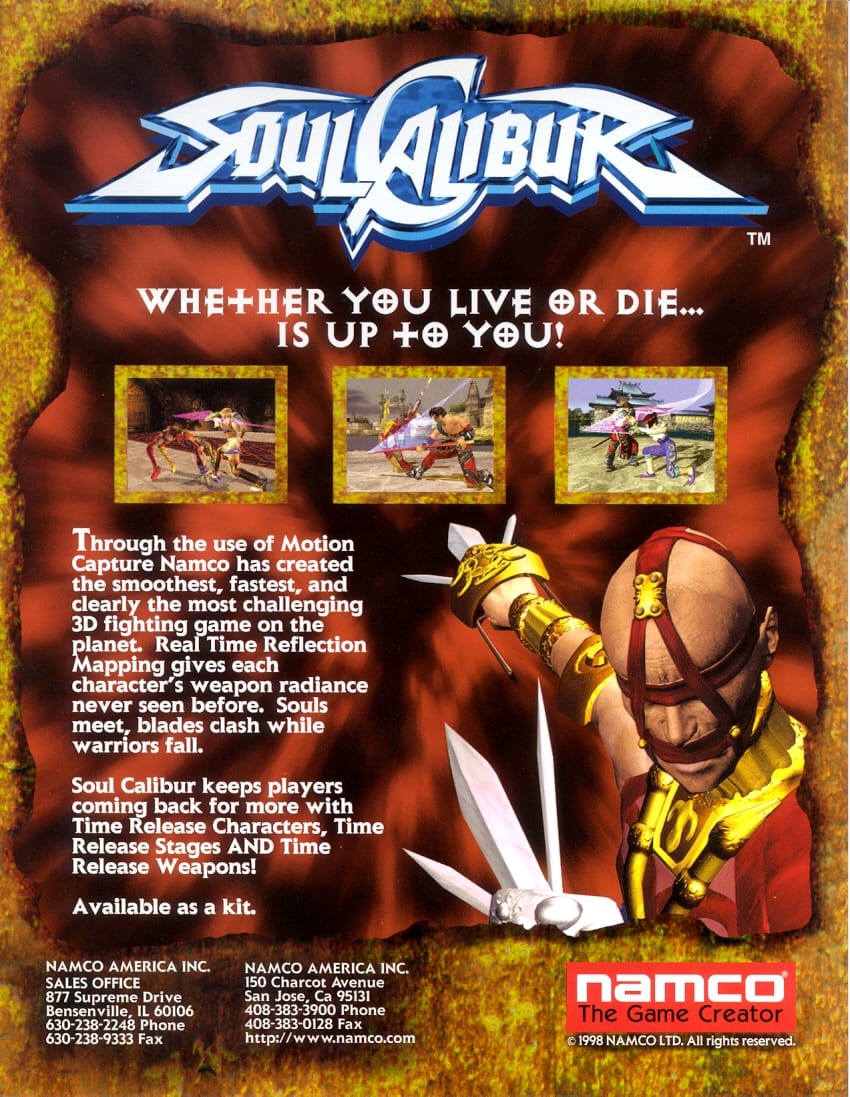
When SoulCalibur landed on the Sega Dreamcast on September 9, 1999, it redefined what home console hardware could achieve. While most arcade ports made compromises, Namco rebuilt the game from the ground up for Sega’s PowerVR2 architecture. It delivered real-time reflection mapping, 60 frames-per-second 8-way run movement, motion-captured weapon choreography, and the expansive Weapon Master mode. It became one of the highest-rated video games in history.
In July 2008, Namco ported this timeless classic to the Xbox 360 as an Xbox Live Arcade digital release (Title ID 58410904, version 0.0.1.2). Running on the console's triple-core 3.2 GHz PowerPC Xenon CPU, the XBLA edition delivered crisp high-definition texturing and rock-solid 60 FPS performance. However, Namco notoriously omitted online netplay, and the title was eventually delisted from the digital storefront, leaving digital owners stranded and physical preservationists searching for modern avenues.
Unlike dynamic runtime emulators like RPCS3 or Xenia—which must continuously translate PowerPC machine code into x86-64 assembly in flight—a static recompilation parses the original default.xex binary ahead of time. It reconstructs control flow graphs, emits native C/C++ or machine code, and links directly against modern graphics APIs like Direct3D 12 and Vulkan. The result is instant startup, zero runtime JIT stutter, and microscopic CPU overhead.
Inside the Recompilation: What KuroRaiden Achieved
Taking a raw, encrypted Xbox 360 executable and transforming it into a bootable PC executable is an extraordinary engineering challenge. Over months of reverse engineering, KuroRaiden systematically disassembled soulcalibur/default.xex and built a comprehensive translation blueprint:
REXGLUE // BINARY RECOMPILATION TELEMETRY
[MANIFEST]
title_id        = 0x58410904 (SOULCALIBUR HD)
toolchain       = ReXGlue v0.9.0.1-dev
target_binary   = soulcalibur/default.xex
analyzed_funcs  = 7,018 verified symbols (interop/symbols.csv)
codegen_runtime = ~11.4 seconds (Clang/LLVM 18)

[SUBSYSTEM WORKAROUNDS]
* Profile Gate: Aliased unsigned local controllers to Profile 0x0
* Audio System: DirectSound dummy callback prevents focus-loss audio hang
* Codegen Hook: Resolved guest setjmp/longjmp boundaries & UI delegate trampolines
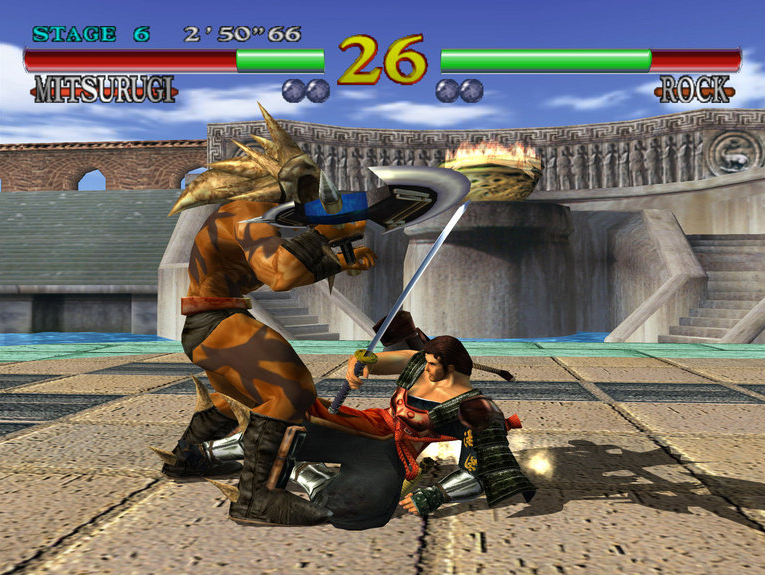
* Presentation: 60 FPS in front-end menus, stable 30 FPS in D3D12 reference battle pipeline
Key architectural triumphs documented in the repository's milestones include:
- 7,018 Mapped Functions: Disassembled via IDA Pro and cross-referenced in
interop/symbols.csv, mapping critical engine loops, memory allocators, skeletal animation blend trees, and hit-detection bounding volumes. - Fast Ahead-of-Time Codegen: ReXGlue processes the entire binary into native C/C++ in just 11 seconds, generating clean translation units ready for native compilation.
- Local Controller & Profile Bypass: The Xbox 360 security model demands signed XBL profiles for save games and player slots. KuroRaiden implemented an in-memory runtime shim aliasing raw local controller inputs directly to a single local guest profile.
- Audio Focus Stability: Workarounds for Xbox DirectSound API quirks prevent audio starvation and thread deadlock when the application window loses and regains focus.
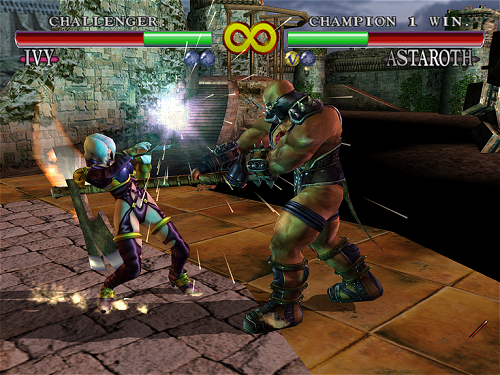
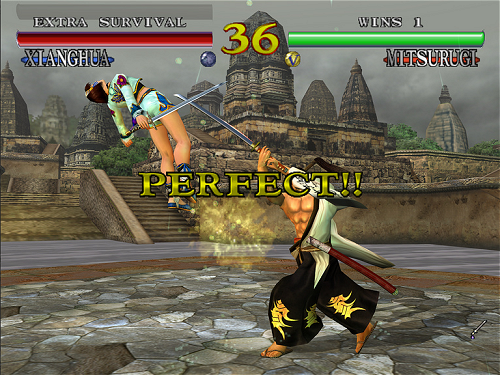
- Playable Offline Combat: Using the reference Xenos D3D12 backend, matches boot and run end-to-end, allowing players to execute full movesets, combos, ring-outs, and guard impacts.
The Unfinished Frontier: Roadblocks Left for Successors
KuroRaiden’s decision to archive the repository on October 7, 2026, was driven by pragmatism: the foundational reverse engineering is complete, but the remaining milestones require specialized systems graphics and networking talent. The repository's roadmap leaves a clear blueprint for incoming contributors:
1. High-Level SDL3 GPU Native Renderer
Currently, the recompilation relies on a low-level reference Xenos translation layer that translates microcode GPU packets into Direct3D 12. While functional, it incurs rendering pipeline overhead (~30 presents/sec during intense battle particle bursts). Replacing this with a dedicated, high-level SDL3 GPU backend will unlock uncapped 120+ FPS performance, cross-platform Vulkan/Metal compatibility, and native Steam Deck efficiency.
2. True 16:9 Widescreen Presentation
Much like the original 2008 XBLA release, the internal viewport remains pillarboxed to 4:3 with side bezels. Modifying the camera matrices and projection frustum within the guest executable will enable genuine edge-to-edge 16:9 or 21:9 ultrawide presentation without stretching 2D UI elements.
3. Character Selection Menu Optimization
While in-game battles run smoothly, the character selection screen suffers from pacing drops and corrupted text glyphs in the "Help & Options" sub-menus, caused by unfinished JPEG marker decoding delegates and UI font cache boundaries.
4. Deterministic Save States & GekkoNet Rollback
Because static recompilation gives developers complete access to the game's state memory, SoulCalibur HD is primed for the holy grail of competitive fighting games: rollback netplay. KuroRaiden laid the scaffolding for GekkoNet integration, but deterministic memory serialization (savestates/restores) must be finalized to enable instantaneous frame rollbacks during network desyncs.
The Call to Arms: Will You Pick Up the Blade?
All reverse-engineered code, symbol tables, build scripts, and architecture notes have been released under the permissive BSD-3-Clause license. The repository requires no proprietary leaked SDKs: developers only need their legally dumped copy of default.xex from their own Xbox 360 console or backup.
QUICKSTART // SOULCALIBUR HD RECOMP SETUP
# 1. Clone the archived repository
git clone https://github.com/KuroRaiden/SoulCalibur-HD-Recomp-files.git
cd SoulCalibur-HD-Recomp-files

# 2. Inspect the symbol definitions & architecture specs
cat docs/milestones.md
cat interop/symbols.csv

# 3. Supply your legally extracted XEX
mkdir -p soulcalibur
cp /path/to/extracted/default.xex soulcalibur/

# 4. Generate C++ translation units via ReXGlue
rexglue generate --manifest soulcalibur_hd_manifest.toml

# 5. Build native binaries via CMake / Clang 18
cmake -B build -G "Ninja" -DCMAKE_BUILD_TYPE=Release
cmake --build build --config Release
From Jak and Daxter and Zelda 64 to Perfect Dark and Tiberian Sun, the open-source community has repeatedly proven that classic games deserve to outlive the plastic boxes they were born on. KuroRaiden has built the engine, tuned the transmission, and parked the car in the garage with the keys in the ignition.
The stage of history is waiting for its next hero. Grab the repository, fire up your compiler, and help bring the ultimate version of SoulCalibur to the PC.