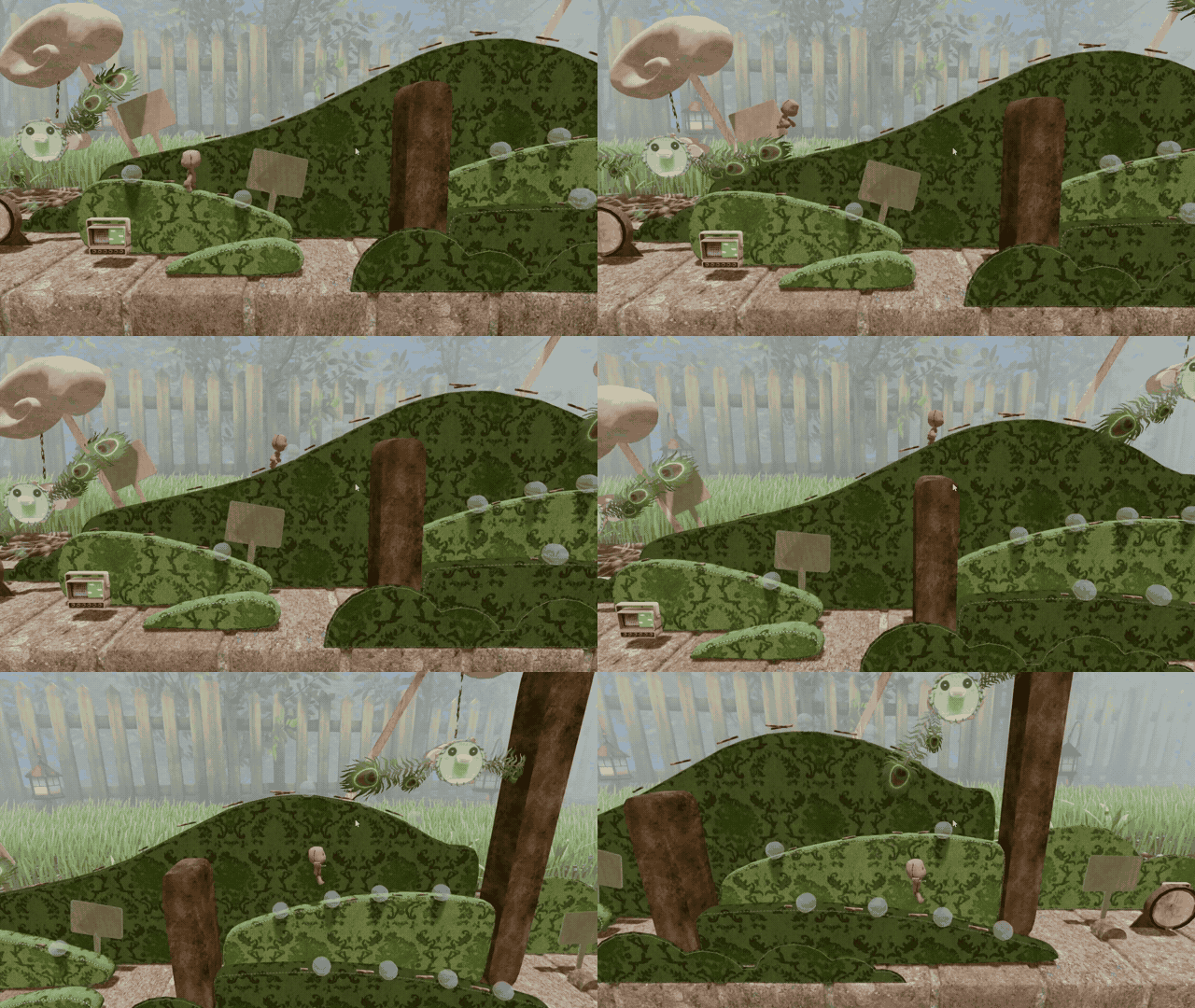

In one of the most unexpected preservation breakthroughs for seventh-generation console gaming, an ambitious developer has begun rewriting Media Molecule’s 2008 masterpiece LittleBigPlanet from scratch in Rust. The project targets a fully native PC engine capable of loading original PlayStation 3 game archives, rendering uncompressed assets at well over 140 FPS, and liberating Sackboy from the notoriously punishing overhead of Cell processor emulation.
The project came into the public spotlight after gaming archivist and modding curator @chasmmmmmmmmmmm shared an extensive technical demonstration showing the engine running in real time. Unlike previous fan recreations that attempted to replicate the game inside Unity or Unreal Engine, this project is an authentic clean-room reimplementation engineered to parse and execute the original game's proprietary file structures directly.
The Cell Processor Bottleneck: Why LBP Struggled on Emulators
When Media Molecule shipped LittleBigPlanet in October 2008, it stood as a technical showcase for the PlayStation 3's eccentric hardware architecture. Behind its charming aesthetic of stitched cardboard, felt textures, and yarn was one of the most computationally demanding physics sandboxes ever devised for a home console.
To achieve its signature physical world, Media Molecule offloaded massive portions of its game loop to the PS3’s six available Synergistic Processing Elements (SPEs):
- SPURS (SPU Runtime System) Job Scheduling: Multi-threaded task queues distributed continuous collision detection, rigid-body constraints, soft-body cloth stretching, and ragdoll simulations across the SPE coprocessors.
- Tri-Planar 2.5D Depth Layering: Sackboy moves across three distinct gameplay depth planes (foreground, middleground, background) intertwined with complex sorting, dynamic joint attachments, and layer-switching triggers.
- Procedural Materials & Physics Meshes: Every piece of wood, sponge, cardboard, and metal possesses distinct friction, density, buoyancy, and structural rigidity parameters calculated on every frame.
Because the original game was so heavily coupled to the timing and quirks of the Cell Broadband Engine, running LittleBigPlanet through the otherwise brilliant RPCS3 PlayStation 3 emulator has historically required top-tier multi-core desktop CPUs. Even on modern flagship processors, RPCS3 often struggles with frame drops, audio crackle, and shader compilation hitches during physics-heavy community levels.
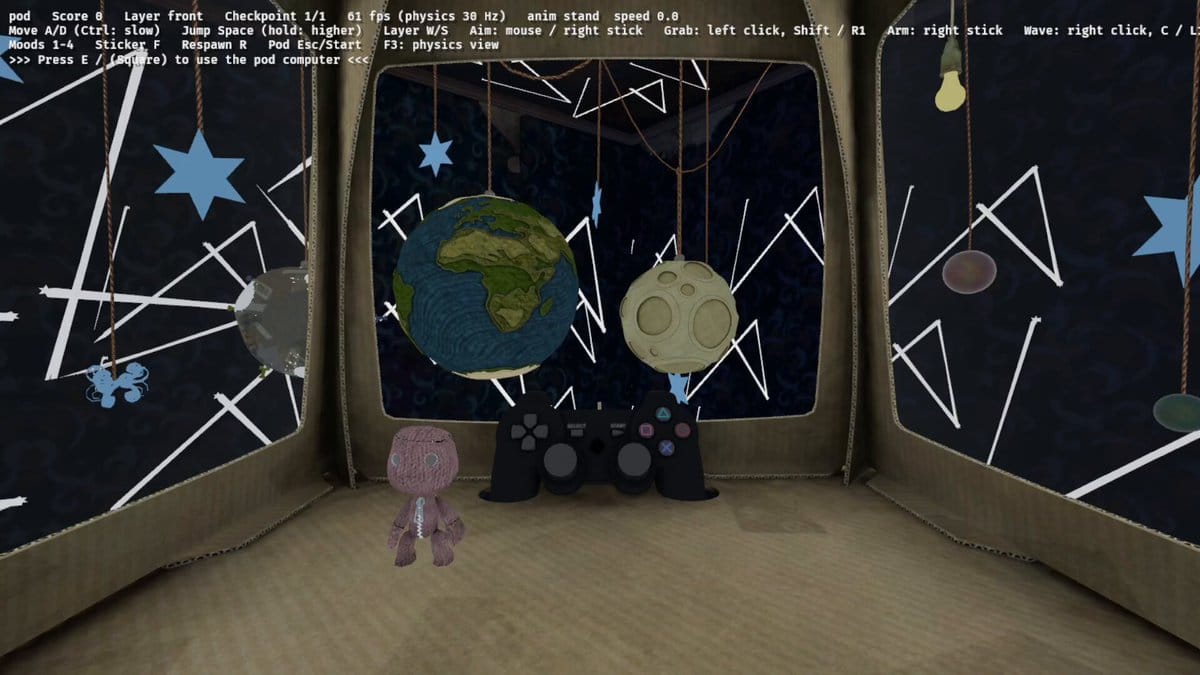
The Rust Engine Architecture: Native Code, Zero Emulation
The new project takes the philosophy popularized by the decompilation and recompilation boom (such as the Jak and Daxter OpenGOAL native port) and applies it to Media Molecule’s Craftworld framework. Instead of emulating PowerPC instructions or translating SPURS jobs at runtime, the engine is written from the ground up in modern Rust.
1. Decoupled 30 Hz Physics with Uncapped 140+ FPS Rendering
One of the most revealing details in the gameplay telemetry is the simulation loop. The on-screen HUD displays a strict 30 Hz fixed physics tick rate (physics 30 Hz) running alongside an uncapped rendering pipeline clocking in at 143 FPS in The Gardens.
By decoupling the physics timestep from the presentation refresh rate, the game preserves the exact weight, jump arcs, and pendulum swings of the 2008 original while delivering the buttery smoothness of high-refresh PC monitors.
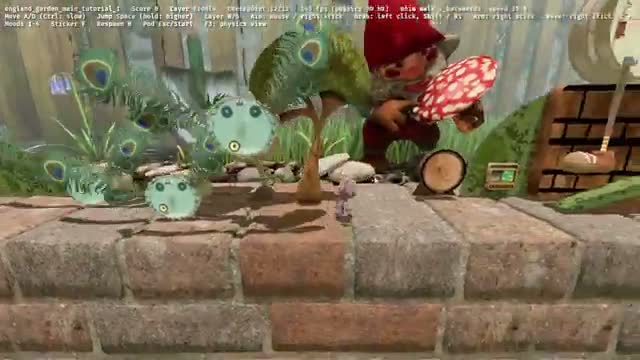
england_garden_main_tutorial_1 running natively at 143 FPS—delivering over 4x the framerate of the original PS3 hardware target.2. Direct Craftworld Asset Pipeline
The project draws on years of community reverse-engineering work surrounding the Craftworld format. Rather than relying on converted or re-exported FBX models, the engine directly ingests authentic game data:
.farc&.mapContainers: Archive reading powered by native Rust parsing (leveraging libraries likecwlib-rs).- Original Shaders & Materials: Translating Media Molecule’s proprietary shader parameters to modern graphics APIs (Vulkan / WGPU) for accurate cloth, burlap, and paper textures.
- Internal Level Descriptors: As demonstrated in the clip, the engine natively loads developer level scripts such as
england_garden_main_tutorial_1(The Gardens).
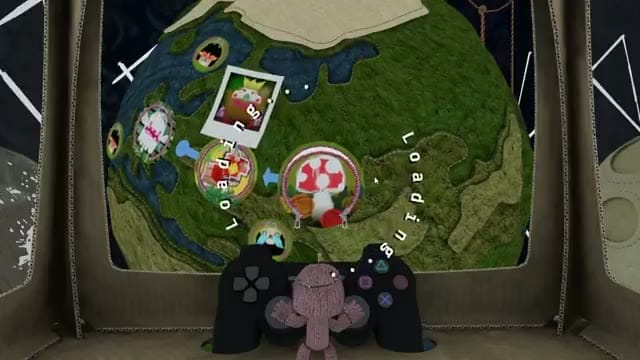
3. Modern PC Controls & DualShock Support
The debug telemetry showcases comprehensive input mapping that bridges both worlds:
- Keyboard & Mouse: Movement on
A/D, Layer switching onW/S, Spacebar jump with variable height, mouse-aimed head tracking, and left-click grabbing. - Controller Native: Full DualShock / DualSense gamepad mappings, right-stick arm gestures, and classic face-button interactions.
- Debug Tools: Dedicated toggles including
F3: physics viewfor inspecting wireframe collision hulls in real time.
Why This Is a Watershed Moment for LBP Preservation
The timing of this project could not be more critical for the LittleBigPlanet community. In April 2024, Sony permanently shut down the official online servers for LittleBigPlanet 3 on PlayStation 4 following protracted distributed denial-of-service (DDoS) attacks. The PlayStation 3 and PlayStation Vita servers had already been permanently sunset years prior.
While community preservation networks like Project Lighthouse and Refresh have successfully resurrected custom servers to host millions of archived user-generated levels, running those levels has remained tethered to jailbroken PS3 consoles or high-spec PCs running RPCS3.
A native Rust reimplementation fundamentally changes the preservation landscape:
- Low-Power Handheld Compatibility: Because it bypasses the demanding overhead of Cell BE emulation, the game could easily achieve flawless 60 FPS on low-power devices like the Steam Deck, ROG Ally, or even ARM-based architectures without draining battery life.
- Community Server Integration: Future iterations could embed custom server networking natively, enabling instantaneous matchmaking, level downloads, and multiplayer without requiring console plugins or network redirects.
- Create Mode at Scale: Unshackled from the PS3's 256MB of main system RAM and strict "thermometer" limits, a native PC engine could theoretically expand Create Mode to support exponentially larger worlds, higher object limits, and modern lighting pipelines.
Transmission Status
The project remains in active development, with basic navigation, physics simulation, level loading, and Sackboy movement already functional. As reverse-engineering efforts continue to mature across the Craftworld community, we'll be tracking the repository and reporting on milestone releases right here on ALLNIGHT.CITY.