

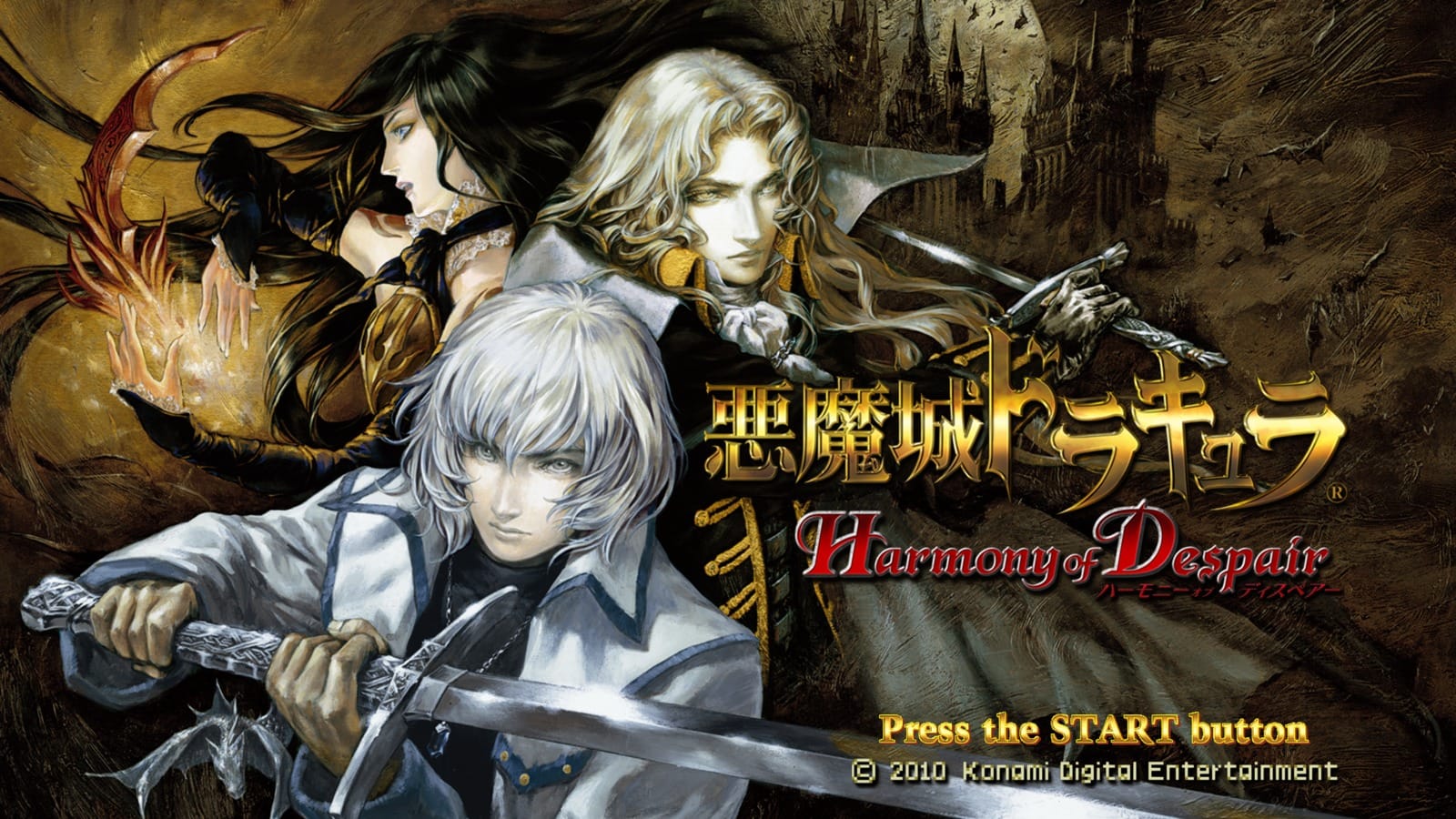
In August 2010, Konami did something bold and uncharacteristically bizarre with the Castlevania franchise: they took the expansive 2D sprite work of the Nintendo DS and PlayStation eras, stripped away the linear progression, and dropped six players into enormous, zooming multi-room labyrinth castles. The result was Castlevania: Harmony of Despair (Akumajō Dracula: Harmony of Despair), a frantic multiplayer loot-grind that captured a devoted cult following on Xbox Live Arcade and PlayStation Network.
For more than a decade, experiencing this unique multiplayer experiment on modern PC hardware meant relying on heavyweight Xbox 360 or PS3 emulation. While emulators like Xenia and RPCS3 have made heroic strides, emulation layers come with CPU overhead, desync vulnerabilities, and tricky network bridges. Today, developer Wrexxial has blown the doors off Dracula's castle with HarmonyRecomp, a full static recompilation that translates the original Xbox 360 game into a native Windows x86-64 application with built-in online co-op.
The Magic of Static Recompilation: ReXGlue at Work
Static recompilation is rapidly transforming video game preservation. Unlike traditional emulation, which interprets or dynamically re-translates machine instructions on the fly during gameplay, a static recompiler analyzes the compiled binary ahead of time and translates the entire machine code base directly into native C or C++ source code. That code is then compiled directly with modern optimizing compilers like Clang and MSVC.
To achieve this for an Xbox 360 title, Wrexxial leveraged the ReXGlue SDK, an open source recompilation framework created by birabittoh that pulls battle-tested runtime components from the Xenia emulator. Following the architectural path pioneered by NocturneRecomp (the native PC recompilation of Shin Megami Tensei III: Nocturne HD), HarmonyRecomp takes the PowerPC executable from the XBLA package (default.xex, originally built under internal project name dcHD_Master.exe) alongside the individual character DLL modules, translating them cleanly into native C++.
"The PowerPC code of default.xex and the character modules is translated to C++ at build time and compiled natively for x86-64. Graphics, audio, and the Xbox system services come from the ReXGlue runtime."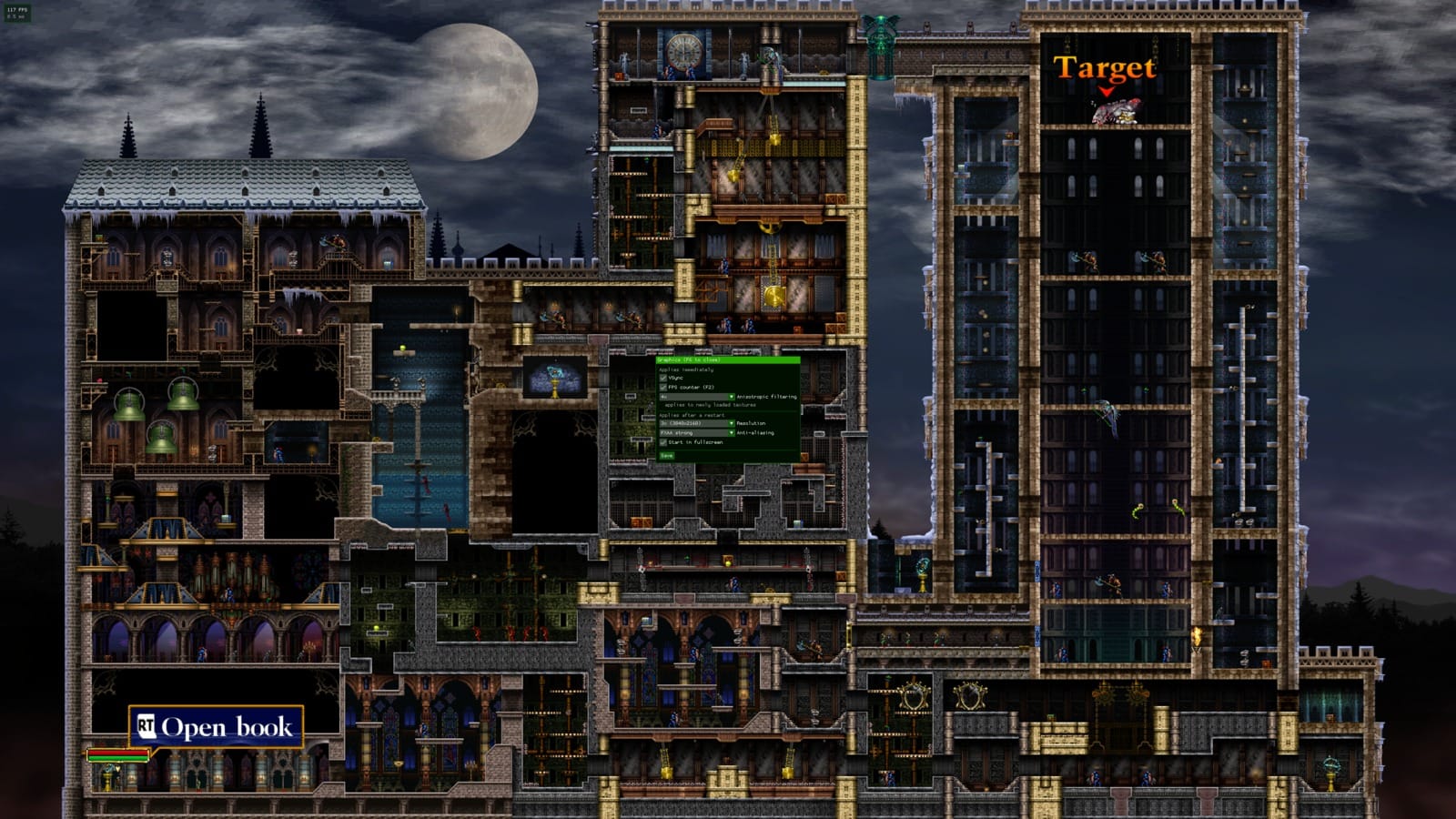
No Xbox Live? No Problem: Re-engineering Multiplayer Over UDP
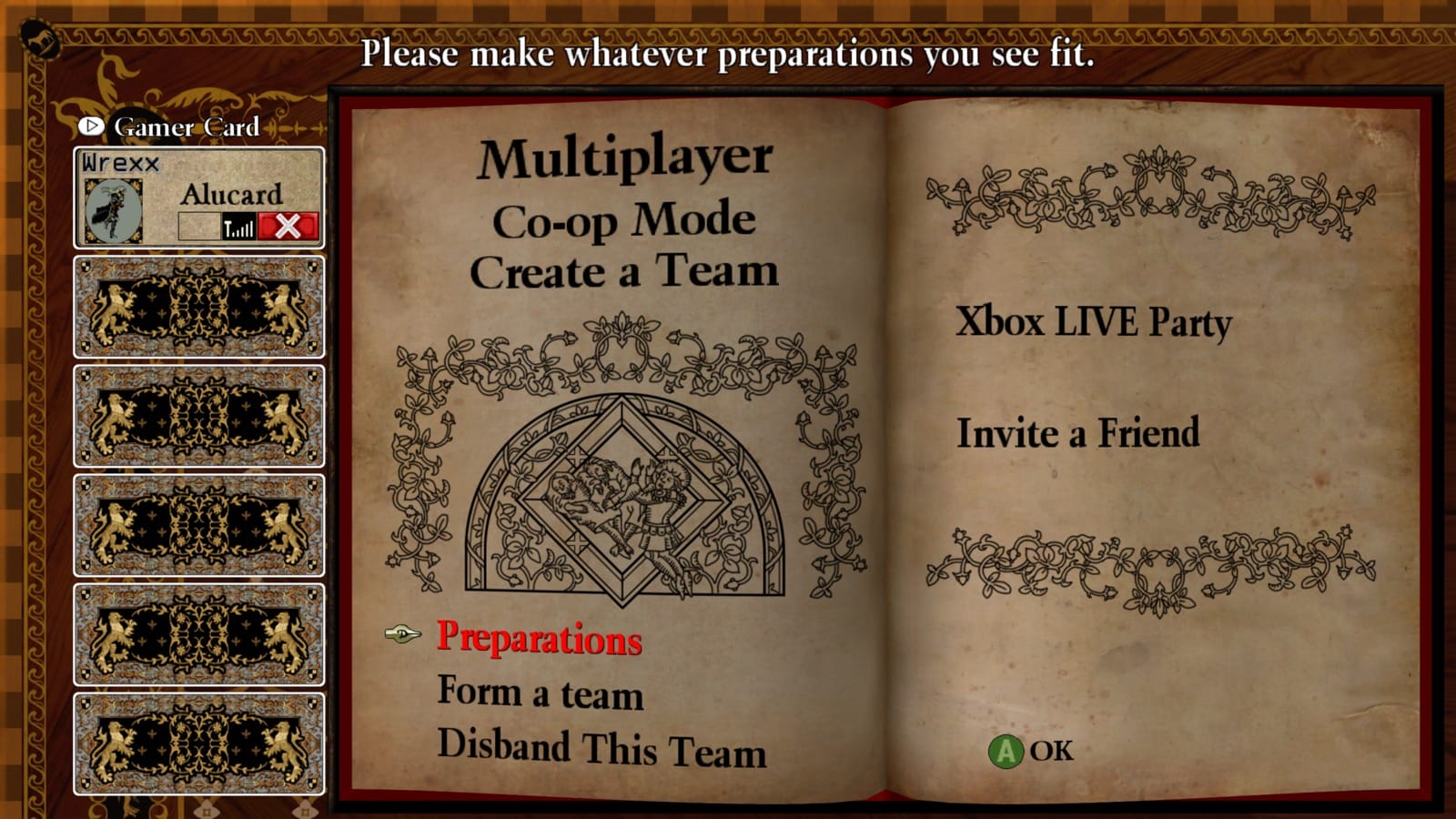
On the Xbox 360, Harmony of Despair was notoriously tied to Microsoft's Xbox Live ecosystem. Co-op sessions, lobby matchmaking, and player networking all routed through proprietary Xbox Live APIs. When game servers vanish or consoles age into obsolescence, online titles usually die with them.
Instead of mourning the lost servers, Wrexxial wrote a brand-new netplay stack directly into src/netplay/, completely replacing Microsoft's matchmaking pipeline:
- Decoupled Authentication: The game runtime feeds the game a simulated Xbox Live identity with a custom gamertag and online XUID, while preserving offline profiles and local save progression intact.
- Serverless Broadcast Matchmaking: Rather than relying on a centralized master server that could be shut down at any corporate whim, lobby searches query local network broadcast addresses alongside user-defined IP peers. Every running instance of the game hosts a lightweight lobby service on UDP port
47658. - Direct Peer-to-Peer Gameplay: Active gameplay packets run over pure, low-latency UDP on port
1000straight between player machines. - Virtual LAN Support: Players can seamlessly party up over tools like ZeroTier, Radmin VPN, or Tailscale (by configuring peer IPs in
harmonyrecomp.toml).
Native PC Enhancements and Performance
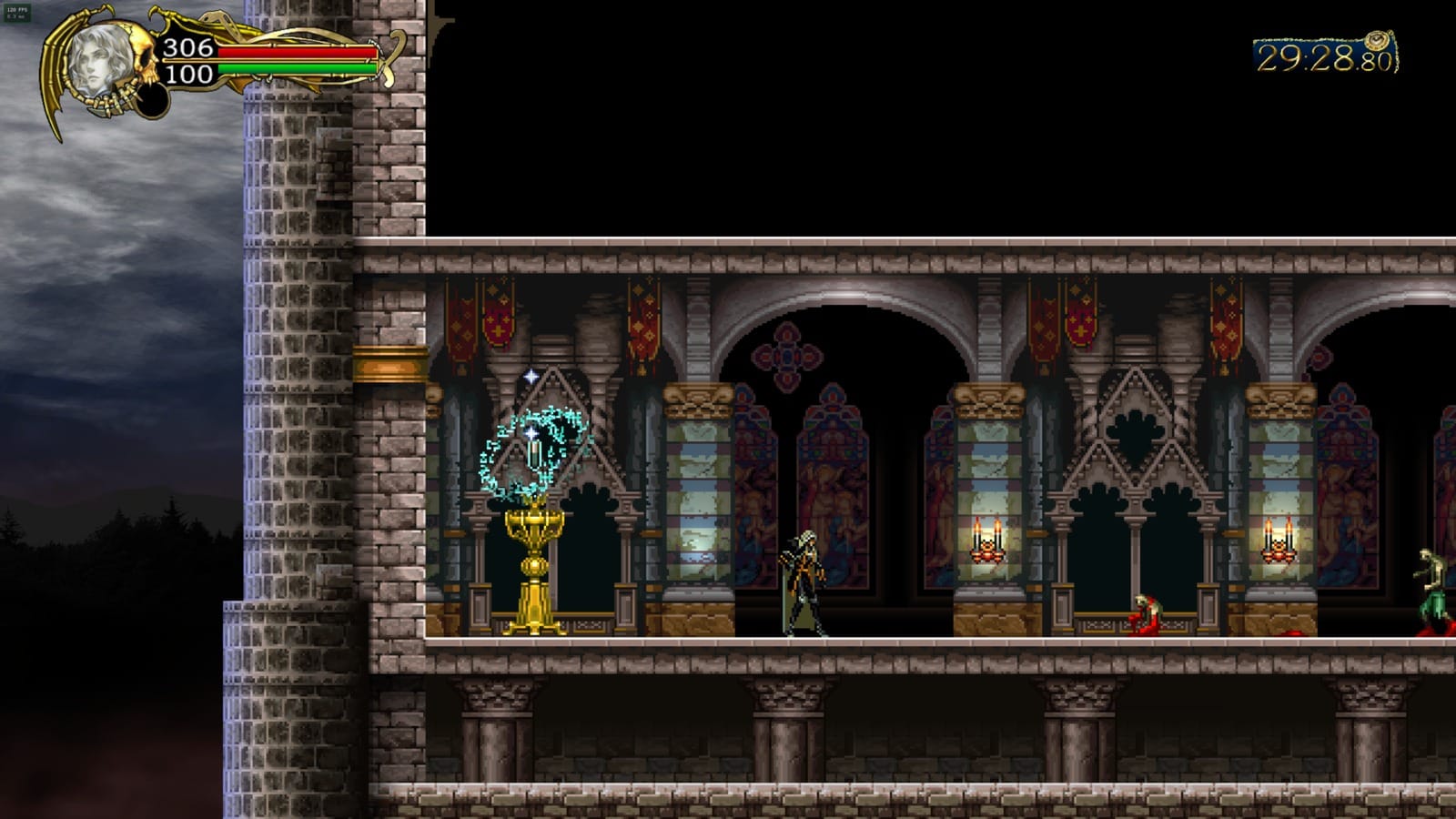
Because the code executes natively on bare-metal x86-64 hardware rather than inside an emulation sandbox, HarmonyRecomp delivers rock-solid performance accompanied by modern PC convenience features:
- Arbitrary Resolution Scaling: Say goodbye to the 720p lock of the seventh-generation console era. Scale your rendering resolution cleanly for 1080p, 1440p, or crisp 4K displays.
- Post-Processing Upgrades: Built-in options for anti-aliasing, anisotropic texture filtering, and tear-free VSync toggles right from the in-game F6 menu.
- Full Roster Playability: All six original base game characters are fully playable: Alucard, Soma Cruz, Jonathan Morris, Charlotte Aulin, Shanoa, and the hilarious unlockable Axe Armor.
- Diagnostic Overlays: Integrated F2 performance counters (real-time FPS) and F3 frame-time telemetry overlays.
- DLC Package Pipeline: Automated STFS package extraction and decompilation for extra stages and downloadable characters (such as Julius Belmont, Yoko Belnades, and Richter Belmont).
Preservation Through Engineering
As covered by preservation advocate McGroin83 on X and The Gaming Emporium, projects like HarmonyRecomp prove that community-led static recompilation is the definitive future of game archiving. Rather than letting proprietary network games wither away on sunsetted storefronts, passionate engineers are breathing permanent, native life into classic titles.
HarmonyRecomp is completely open source under the permissive BSD 3-Clause license. As with all clean recompilation projects, the repository contains zero proprietary game assets, textures, audio, or game binaries. To compile and play, users provide their own legally acquired Xbox Live Arcade game container (Title ID 58410A7A) and build the project using Clang 20, CMake, Ninja, and Python.
Ready to delve into Dracula's domain with your squad? Check out the official repository, star the project to support the developer, and read the complete build documentation on GitHub: Wrexxial/HarmonyRecomp.