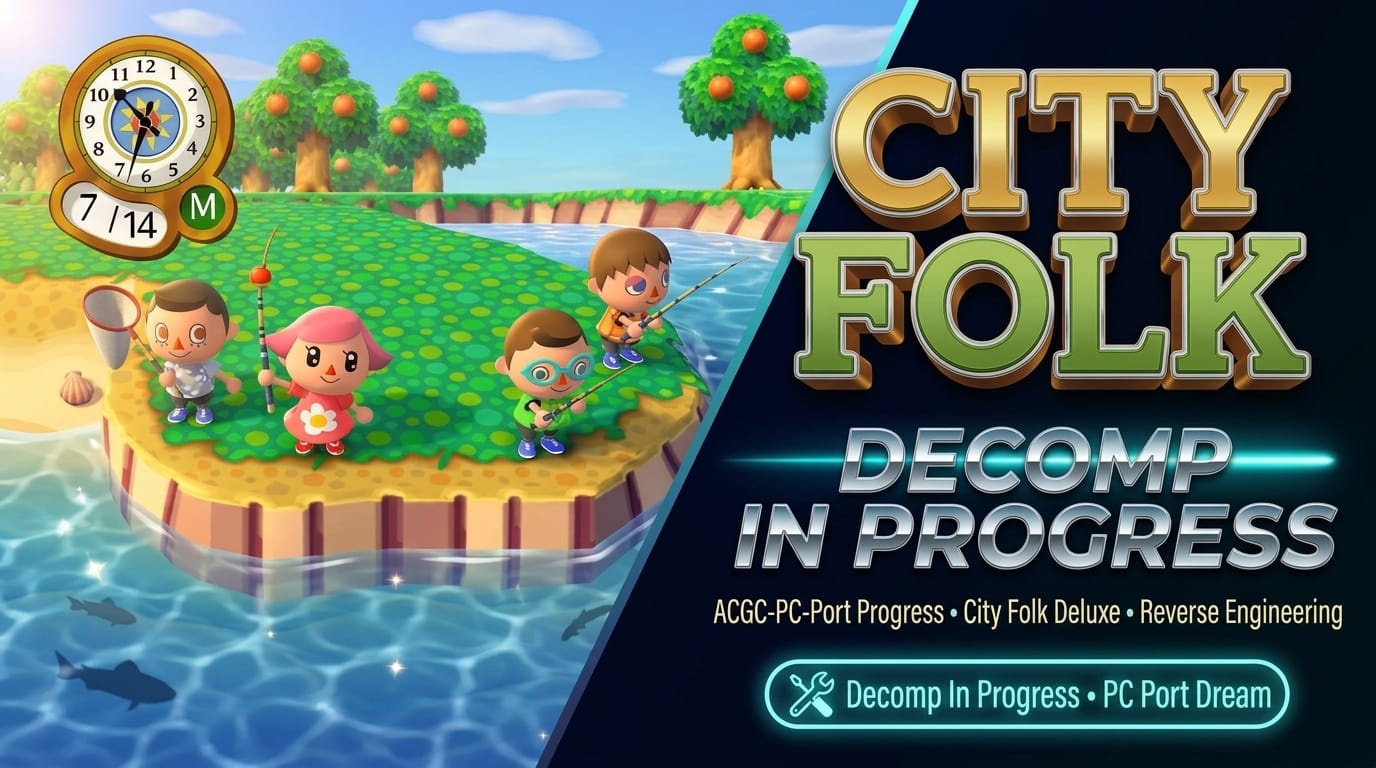

There is an uncanny magic to sitting at a dual-monitor workstation at two in the morning, hearing Kazumi Totaka’s delicate, nocturnal synth chords drift from desktop monitors, without an emulator window, disc mounting daemon, or virtual memory card prompt anywhere in sight. For decades, experiencing Nintendo’s cozy village life on PC meant firing up Dolphin, configuring controller deadzones, and accepting the inherent friction of virtualization. But over the past few months, the quiet, painstaking efforts of the Nintendo decompilation scene have breached a new frontier.
Enter ACGC-PC-Port by developer flyngmt. Built directly on top of the monumental ac-decomp project spearheaded by the ACreTeam, this project achieves what was once thought impossible: compiling the original GameCube C codebase natively for x86 architectures, stripping out legacy Nintendo GX graphics calls, and piping everything through a custom OpenGL 3.3 translation layer.
The results are nothing short of breathtaking—and they point toward a much larger, more ambitious dream for the entire franchise.
The Desktop Miracle: ACGC-PC-Port v0.9.x
While many decompilation projects take years just to reach bootable states, ACGC-PC-Port has sprinted through playable milestones with astonishing speed. With the recent rollout of the v0.9.x playtest updates, the port has transformed the 2001 GameCube original (Animal Crossing: Population Growing) into a modern desktop citizen:
- Unlocked Framerates up to 960 FPS: Gone is the rigid 30 FPS ceiling of the GameCube original. Collaborating with modder @Cuyler36, the project introduced completely decoupled, variable framerate rendering that scales effortlessly to 144Hz, 240Hz, and high-refresh gaming displays without speeding up in-game logic or animations.
- Seamless Borderless Acres: Perhaps the most transformative visual upgrade in the game’s history. In the original console release, crossing from one acre to another triggered a rigid camera hitch as the engine loaded the adjacent grid. With borderless acres enabled, the camera pans smoothly across the entire town, turning your village into a unified, continuous open map.
- Zero-Friction ROM Mounting: There is no asset extraction wizard or multi-gigabyte decompiled data folder. Users simply drop an untampered USA disc image (
.iso,.gcm, or compressed.ciso) into therom/directory, andAnimalCrossing.exeparses assets directly on the fly. - Native PC Input & In-Game Menus: Fully rebindable keyboard layouts, customizable mouse button controls, and a dedicated in-game pause menu make the game feel like a native indie title rather than a 25-year-old console dump.
“The game’s original C code runs natively on x86, with a custom translation layer replacing the GameCube’s GX graphics API with OpenGL 3.3. No build tools required for players; drop your disc image in and run.” — ACGC-PC-Port Documentation
Having GameCube Animal Crossing running as an ultralight, instantaneous binary feels like having a living terrarium running beside your terminal. But as incredible as flyngmt’s work is, it inevitably begs the question: if the original GameCube codebase can be liberated and modernized so effortlessly, why aren’t we talking about the most unfairly sidelined entry in the entire series?
The Case for ‘City Folk’: The Underrated, Sidelined Classic
Released in late 2008 for the Nintendo Wii (and dubbed Let’s Go to the City in PAL territories), Animal Crossing: City Folk has long occupied a peculiar, neglected space in gaming history. Arriving right on the heels of the runaway handheld blockbuster Wild World, critics and casual players swiftly pigeonholed it as an incremental, conservative upscale. It didn’t reinvent the wheel, and in an era where the Wii was conquering mainstream culture with radical casual experiences, City Folk felt strangely familiar.
Worse still, the game was severely handicapped by the design dogmas of its platform:
- Pointer Purgatory: In Nintendo’s zealous push for the Wii Remote, City Folk was burdened with IR pointer navigation. Pointing a plastic wand at a sensor bar just to drag apples between inventory slots, rearrange furniture, or click on dirt patches to walk introduced physical fatigue into what should have been a sedentary, cozy retreat. While the game technically offered Classic Controller support, its menus, dialogue cadence, and overall UI flow remained tethered to pointer ergonomics.
- The “Animal Tracks” Ecological Disaster: Nintendo introduced a notorious grass deterioration mechanic where simply walking through town eroded green turf into barren brown dirt patches. Without daily micro-management, thriving villages quickly devolved into mud bowls.
- Glacial Text Speed & Server Shutdown: Sluggish dialogue speeds, intrusive Resetti interruptions, and the eventual 2014 shutdown of Nintendo Wi-Fi Connection effectively severed the game’s beating heart, leaving millions of towns frozen in amber.
Yet, looking back from 2026—in an era where New Horizons traded rich villager personalities for sterile interior design mechanics and terraforming sandboxes—City Folk stands as the absolute zenith of classic, atmospheric Animal Crossing.
It was the final entry that retained the slightly acidic, eccentric wit of the original GameCube villagers. Its soundtrack—especially the midnight and rainy hour tracks—remains the moodiest, most poignant audio Kazumi Totaka ever supervised. And then there was The City itself: stepping out of your sleepy rustic hamlet, boarding Kapp’n’s vintage bus under the pouring rain, and arriving at a glowing urban square featuring GracieGrace haute couture, the Marquee theater, Crazy Redd’s hidden back-alley speakeasy, Harriet’s Shampoodle, and Katrina’s fortune parlor. It offered a romantic duality between quiet wilderness and nocturnal metropolis that no subsequent game has ever recaptured.
The Community’s Heroic Salvation: Aurum’s ‘City Folk Deluxe’
Recognizing the brilliant diamond buried underneath the Wii’s motion-control gimmicks, community developer Aurum and a team of dedicated reverse engineers set out to rescue the title. The result is Animal Crossing: City Folk Deluxe, a staggering, continually updated Riivolution overhaul that has spent the past several years quietly turning City Folk into the definitive traditional Animal Crossing experience.
Rather than a simple texture hack, Deluxe is a surgical gameplay reconstruction:
- A 244-Villager Roster Expansion: Restores hundreds of cut villagers spanning the original N64/GameCube Animal Forest e+, New Leaf, and New Horizons, alongside legendary Nintendo crossover villagers like Medli, Ganon, W. Link, and Felyne.
- Eradicating the Friction: Enforces instant fast text speed across all dialogues, adds comprehensive grass deterioration and flower parching toggles (permanently ending the mud apocalypse), makes Mr. Resetti completely optional, and adds modern skin-tone selection at character creation.
- Restored Mechanics: Reintroduces bottle mail along the shoreline, restores Population Growing-style villager treasure hunts, extends the in-game calendar through the year 2099, and guarantees uncatalogued items in balloons.
- Rescued from the Sensor Bar: Introduces dedicated, refined Classic Controller button mapping via Riivolution, allowing players to ditch the IR pointer entirely for a clean, twin-stick, traditional gamepad experience.
- Revived Netplay: Seamlessly patches into community-run Wiimmfi and WiiLink services to restore online matchmaking and letter distribution.
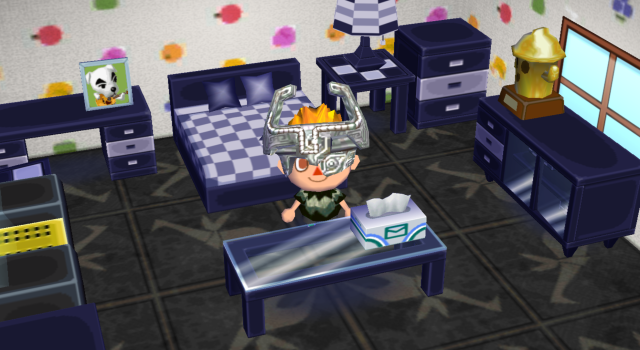
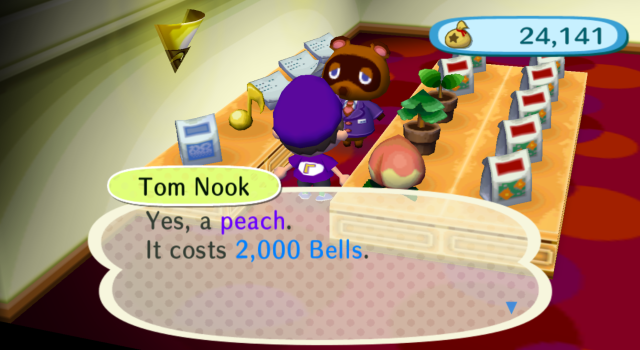
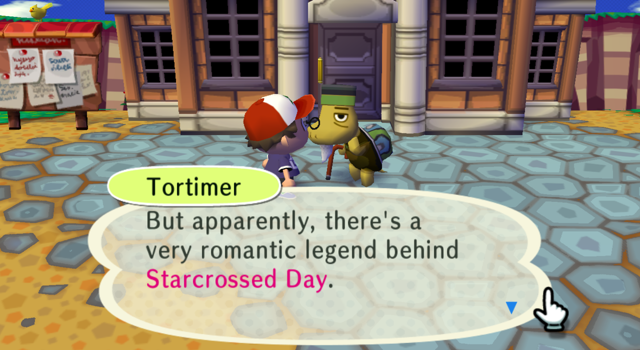
Aurum’s Deluxe proved what purists have long argued: when you remove the pointer fatigue and balance the economy, City Folk is an undeniable masterpiece.
The AllNight.City Dream: A Full Static Recompilation with Native Online
Yet, as remarkable as City Folk Deluxe is on real Wii hardware or inside Dolphin, it still operates under the inescapable gravity of emulation. Virtualized memory, custom ISO builds, Dolphin controller hooks, and Wiimmfi DNS reroutes are noble solutions, but the PC preservation landscape has recently graduated to something vastly more powerful.
Look at what the Harbor Masters accomplished with Ship of Harkinian and 2 Ship 2 Harkinian for Ocarina of Time and Majora’s Mask: instant load times, 144Hz physics interpolation, native gyro aiming, ultrawide aspect ratios, and rich scripting APIs. Look at Dusklight, the ongoing native PC port of The Legend of Zelda: Twilight Princess, proving that GameCube and Wii titles can run as pure, lightning-fast native C++ binaries.
What we at allnight.city are advocating for is the ultimate dream: a complete, standalone static recompilation of Animal Crossing: City Folk on PC.
Imagine what that project would look like:
- Pure Native PC Performance: Running as an independent x86/ARM executable with DirectX 12, Vulkan, and OpenGL backends. Ultrawide 21:9 support, instantaneous window resizing, flawless 120Hz/240Hz frame rates, and zero controller latency.
- Dual-Mode Desktop Controls: Seamless dual-analog controller support (Xbox, DualSense, Steam Deck) paired with desktop-native mouse drag-and-drop. Opening your pocket inventory and dragging furniture with a real PC mouse cursor—free of Wii sensor bar jitter—is the exact control paradigm the game always deserved.
- Direct ‘Deluxe’ Integration: Baking Aurum’s entire City Folk Deluxe content suite directly into the engine source: the 244-villager roster, anti-grass wear toggles, quality-of-life cataloging, and extended 2099 timeline.
- The True Holy Grail: Native PC Online Multiplayer: No Wiimmfi friend codes, no simulated Wii wireless channels, and no port-forwarding gymnastics. A native PC recompilation could introduce modern peer-to-peer or server-hosted netplay. Imagine entering a friend’s room code or IP, stepping off the train or bus together, trading rare fish, sharing a quiet midnight coffee at Brewster’s Roost, and roaming the rainy neon streets of the City in real time with ultra-low latency.
Liberating Classics from Hardware Dead-Ends
The beauty of projects like ACGC-PC-Port and City Folk Deluxe lies in their refusal to let great game design remain shackled to the physical limitations of defunct plastic peripherals. The GameCube gave Animal Crossing its soul; the Wii gave it urban scale and peak nocturnal ambiance, only to choke it with motion novelty.
As the static recompilation revolution marches forward across Nintendo’s catalog, City Folk stands as the prime candidate for resurrection. It has the content, it has the atmosphere, and thanks to Aurum, it has the blueprints for mechanical perfection. All that’s left is for the reverse engineering community to build the native engine—and let us ride that midnight bus together once again.